Russia’s Strikes Are Landing on McDonald’s in Ukraine, and the Silence Is Hard to Read
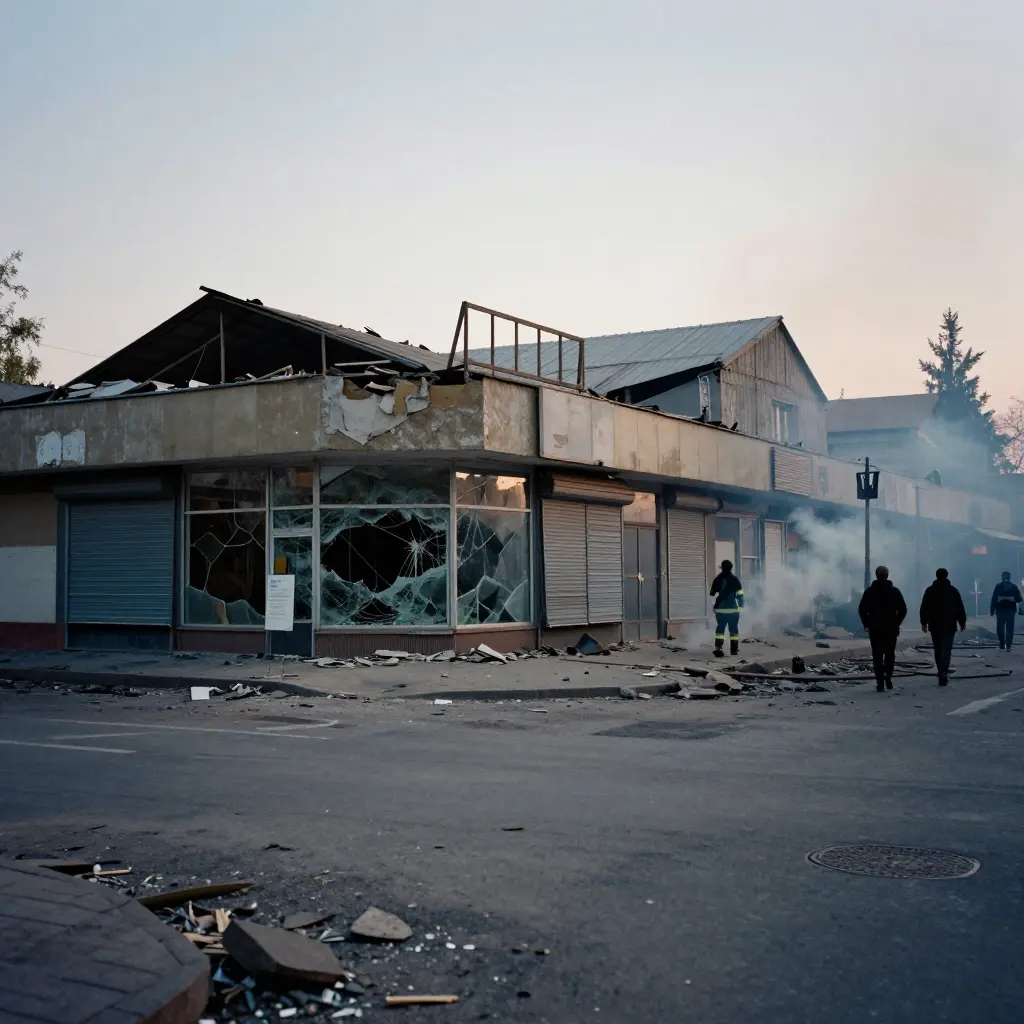
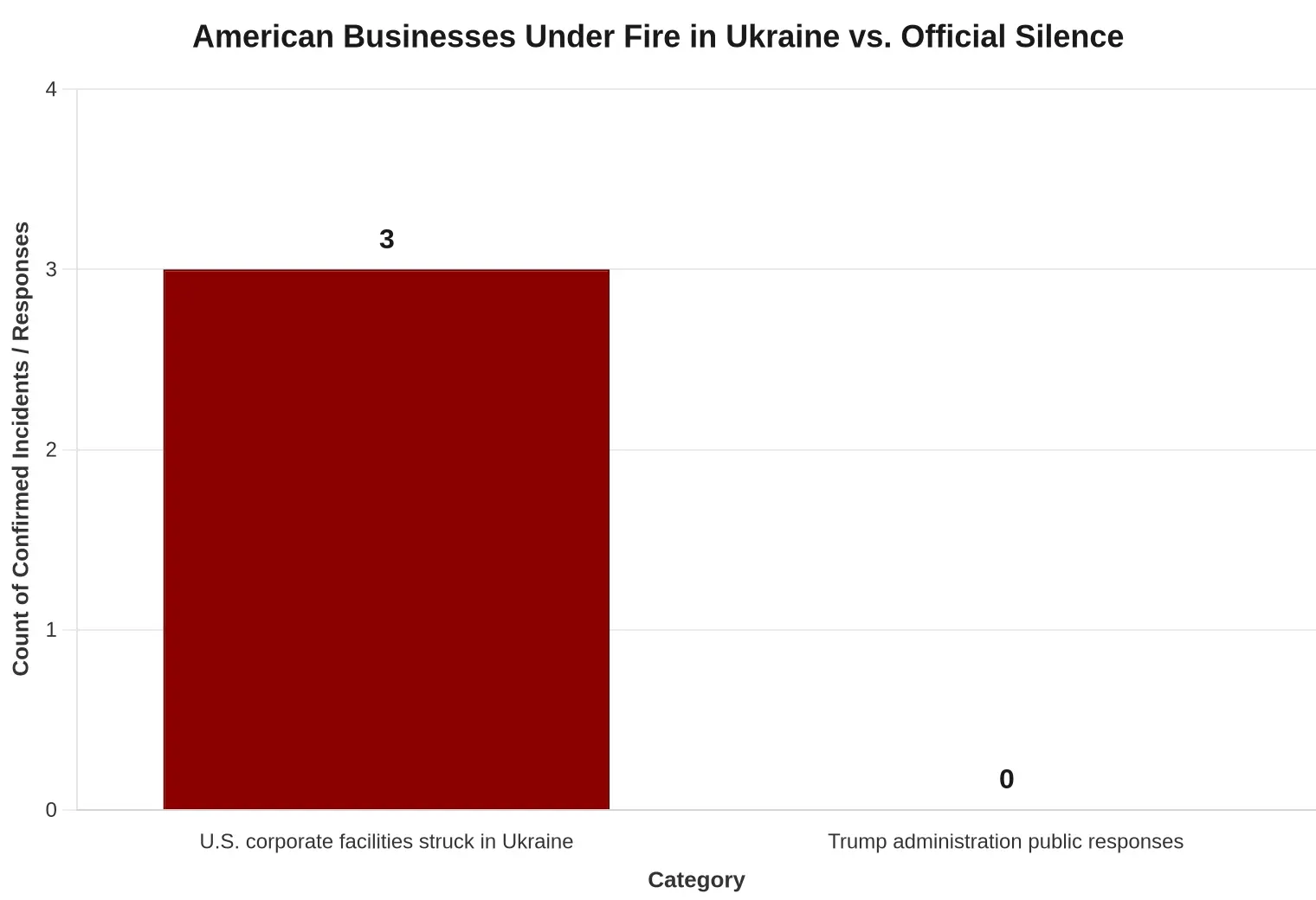
Russian drones and missiles have damaged facilities in Ukraine tied to Coca-Cola, McDonald’s, PepsiCo, and Oreo, CNN reported. These are among the best-known American names in the country, and Russia has hit them repeatedly over the past several months. The American Chamber of Commerce in Ukraine has pressed the White House to respond, and several Democratic lawmakers have called for more protection for U.S. businesses there. The administration has not publicly condemned the attacks.
Andy Hunder, who heads the chamber, told CNN that Russia has targeted American business before but that the recent wave is different. He said the White House has not answered the chamber’s requests. “We need this to stop because these are American interests, American money, American investors that are being hit and are being targeted,” he said.
What the reporting establishes
U.S. corporate facilities. CNN, citing Hunder and statements from the companies and Ukrainian officials, reports that Russian missiles and drones damaged sites belonging to Coca-Cola, McDonald’s, PepsiCo, and Oreo over the past several months.
The individual companies. A drone hit a Coca-Cola production facility outside Kyiv on September 3. In late September, a drone damaged a warehouse operated by one of McDonald’s logistics partners in the Kyiv region; McDonald’s Ukraine said its restaurants were serving a reduced menu as a result. PepsiCo said a production facility in the Mykolaiv region was damaged on August 29, with no casualties. Hunder also named Oreo among the affected brands.
Ukraine’s energy infrastructure. The same week, Russia carried out a large aerial attack on energy facilities that left roughly 600,000 people without power, according to ABC News and CBS News. CBS reported that six people were killed in the strikes.
The business response. The American Chamber of Commerce in Ukraine has asked the administration to address the attacks. Several Democratic lawmakers have also called on the White House to do more.
What the reporting does not establish is any official U.S. condemnation of the strikes on American companies, or any on-the-record comment about them from Coca-Cola, PepsiCo, or Oreo.
Attacked US Companies and Their Ukraine Facilities at a Glance
Russian drone and missile strikes have hit facilities tied to several American corporations operating in Ukraine. The table lists what the reporting names, and where it stops.
| Company | Affected facility or business | Sources | Current status |
|---|---|---|---|
| Coca-Cola | Production facility in Brovary, Kyiv region, hit by a drone on September 3 | CNN, unn.ua, Times of India, ua.news, SBS; Diplomacy and Law | Damaged; extent not specified in reports |
| McDonald’s | Warehouse operated by a logistics partner in the Kyiv region, hit on September 25 | CNN, unn.ua, Times of India, SBS, pravda.com.ua; Diplomacy and Law | Damaged; restaurants serving a reduced menu |
| PepsiCo | Production facility in the Mykolaiv region, damaged August 29 | CNN (via unn.ua), Times of India, ua.news; Diplomacy and Law | Damaged; no casualties reported |
| Oreo (Mondelez) | Oreo factory in Trostyanets, reportedly hit in February | SBS; Diplomacy and Law | Damage cited by Ukraine’s foreign minister |
| Flex | Manufacturing facility in Mukachevo, damaged in an August 2025 missile strike | Diplomacy and Law, citing Flex | Company said the plant made consumer products, not defense goods |
| American Chamber of Commerce members | Cited broadly as affected; no single facility named | unn.ua | Not specified in reports |
Most of these accounts trace back to CNN’s original reporting, which unn.ua, Ukrainska Pravda, ua.news, the Times of India, and SBS summarized or echoed. Where a cell says “not specified in reports,” the article named the company but not the facility, the damage, or its operating status.
A Silence in Contrast
CNN reported in February that the administration had warned Kyiv that Ukrainian strikes on a Russian Black Sea oil facility late last year had affected U.S. investments in Kazakhstan. In recent weeks, President Trump has blamed Ukrainian strikes on Russian diesel facilities for rising fuel prices, and last Friday he announced a deal to waive sanctions and buy diesel from Russia, in defiance of U.S. law. The U.S. has also threatened to restrict intelligence sharing and munitions if Kyiv does not stop the strikes, sources told CNN.
None of that pressure has been matched by a public response to the Russian strikes on American companies in Ukraine. As CNN reported, and Ukrainska Pravda and ua.news relayed, the White House has offered no statement, condemnation, or acknowledgment that American corporate property was struck.
The chamber’s request for a meeting with Steve Witkoff and Jared Kushner last month went unanswered, Hunder told CNN. A former senior State Department official told CNN that in “official Washington,” only Witkoff and Kushner are expected to speak about Ukraine, and that a rationale for the administration’s silence is not something people can count on getting.
It would be easy to read a strategy into the quiet: a diplomatic trade-off, a signal to Moscow or Kyiv, simple neglect. None of those explanations is confirmed on the record. What is documented is narrower: the administration has spoken forcefully about Ukrainian strikes that touch Russian energy exports, and has said nothing public about Russian strikes on American-branded factories and warehouses in Ukraine.
The Legal Grey Zone: Are These Factories Lawful Targets?
Under international humanitarian law, is a Coca-Cola bottling plant or a McDonald’s warehouse in Ukraine a “lawful military target”? Diplomacy and Law examines the question, and the law does not return a clean yes or no.
The test comes from the principle of distinction. A civilian object becomes a military objective only when two conditions hold at once: it makes an effective contribution to military action through its nature, location, purpose, or use, and destroying, capturing, or neutralizing it offers a definite military advantage. A plant that bottles soft drinks or a warehouse that moves food is civilian on its face.
The argument turns on “dual-use” as the hinge. A facility that supplies fuel, logistics, packaging, or revenue to the war effort, or that military units draw on, can lose its protection. Some analysts place the strikes within Russia’s broader campaign against Ukraine’s economy, treating economic capacity as a target in itself. Diplomacy and Law does not resolve the question, and that restraint is warranted: whether a particular site is lawful to strike depends on what it actually does, who uses it, and what military gain a strike is claimed to deliver, facts that emerge case by case. Until those facts are public and tested, “legitimate target” is an argument, not a conclusion.
FAQ: Russia’s Strikes on American Brands in Ukraine
Which American companies have had facilities damaged in Ukraine?
Recent Russian drone and missile strikes have damaged facilities tied to Coca-Cola, McDonald’s, PepsiCo, and Oreo, according to CNN and other outlets. The American Chamber of Commerce in Ukraine is pressing Washington to respond, arguing that U.S.-linked businesses are being hit with little public support.
Why is the Trump administration keeping quiet?
The administration has pushed Ukraine to stop striking Russian refineries and diesel facilities, citing economic harm, while not publicly reacting to Russian attacks on American-linked sites inside Ukraine. CBS News, citing sources, reported that the U.S. may have withheld early warnings of the strikes. Critics read the combination as inconsistent: loud on Ukrainian strikes, silent on Russian ones.
Are these facilities lawful military targets?
That is the question Diplomacy and Law raises under international humanitarian law. Factories making civilian goods for civilians are generally protected. A site loses that protection only if it makes an effective contribution to military action. Legality turns on what each facility did, not on whose brand sits above the door.
What has the assault done to Ukraine’s power supply?
A “massive” aerial attack struck energy infrastructure and left at least 600,000 people without power, according to ABC News and CBS News. The strikes landed while talk of an “energy ceasefire” was in the air. CBS reported the attack killed six people, with sources saying U.S. warnings may not have reached Kyiv in time.
Conclusion
The strikes themselves are easy to document. The response is not. When Russian drones and missiles hit facilities tied to Coca-Cola, McDonald’s, and PepsiCo in Ukraine, the targets are also emblems of American commercial life. A recognizable brand makes a louder target than an anonymous warehouse, whatever Moscow’s intent.
A brand operating overseas rests on an implicit promise of protection, or at least attention, from its home government. When Washington stays silent while those brands are hit, that promise looks thinner. The silence can be read as restraint, distraction, distance, or permission; none of those readings can be confirmed. For multinationals, the practical point is narrower but clear: being American can be reason enough for a facility to draw fire, and the parent government may not say so publicly.